22 June 2026 · 6 min read
Older and imported machines often outlive their spare-part supply. The part number is discontinued, the original maker has moved on, and no drawing exists. That does not mean the machine is finished — reverse engineering turns a worn-out part, a clear photo or a rough sketch into a manufacturable replacement. Here is how the process works and how to make it accurate.
What "reverse engineering" actually means here
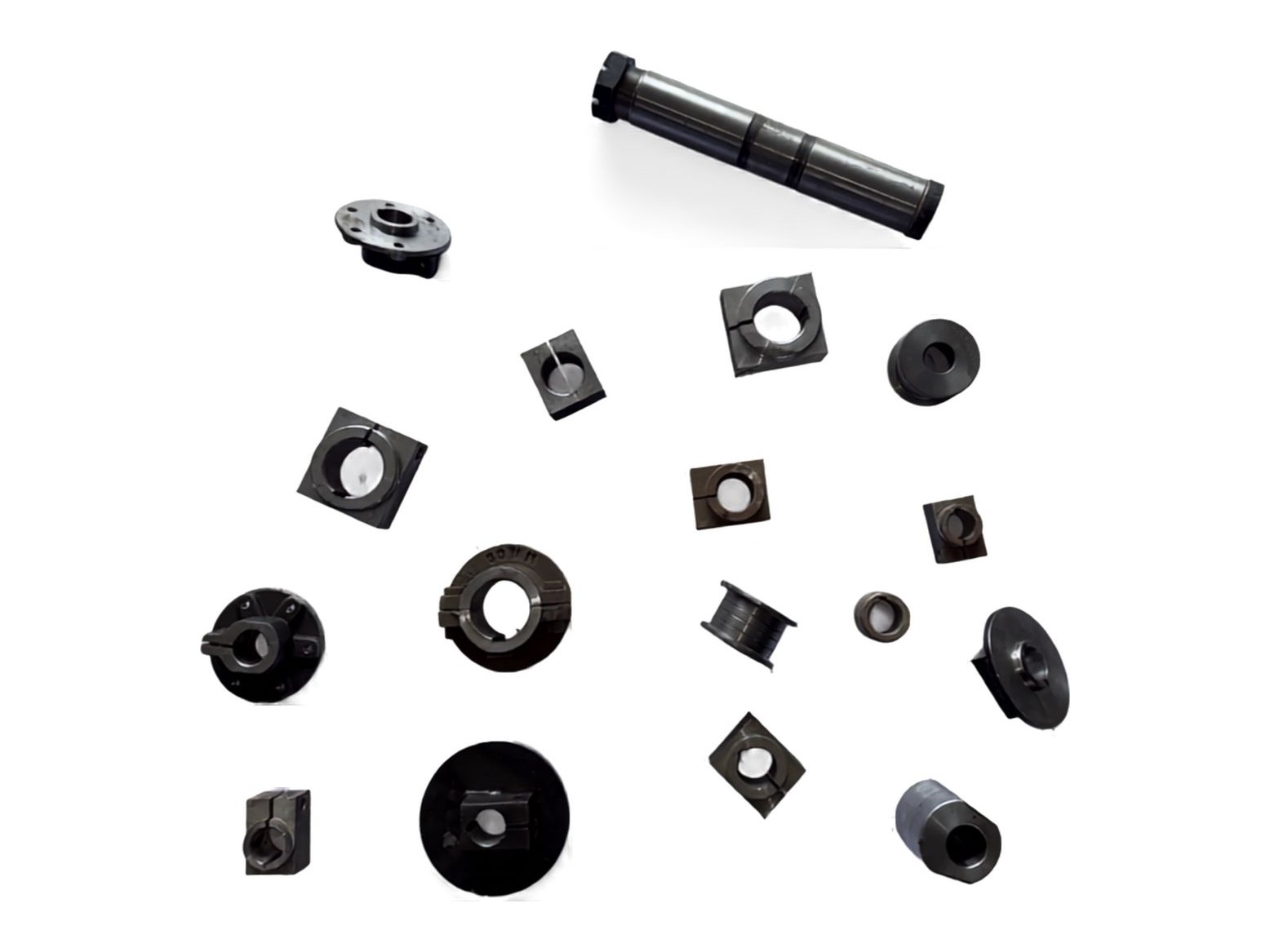
In practical manufacturing terms, it means measuring an existing component (or working from photos and a known mating part) to recreate the geometry needed to machine a new one. For agricultural parts — CNC components, bushes, shafts, sprockets and similar — this is routine.
The starting point: sample, photo or sketch
The best input is the old part itself, even if worn. Where the part is lost or unusable, the following help:
- Clear photos from several angles with a ruler or caliper for scale
- The mating part it fits (for example the shaft a bush rides on)
- Key dimensions you can measure: outer diameter, bore, length, thread
- A note on the material if known, and how the part failed
Measuring for accuracy
Critical features are measured with vernier calipers, micrometers and bore gauges; height gauges and custom gauges are used where needed. Worn surfaces are a common challenge — a bearing seat that has spun, or teeth that have lost their profile. An experienced manufacturer reconstructs the original intended dimension rather than copying the worn one, which is why the mating part and the failure mode are so useful.
From measurements to a finished part
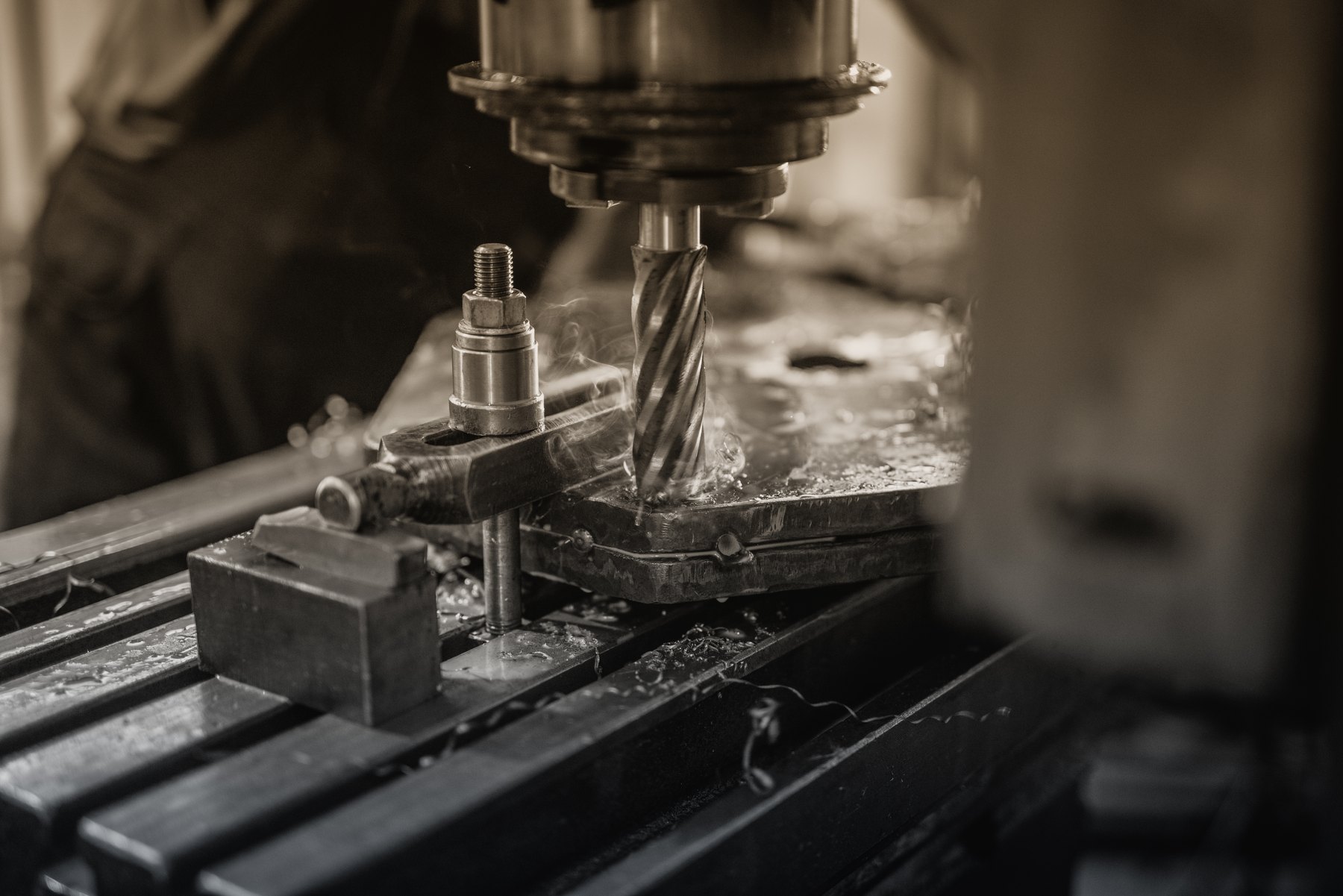
Once geometry and material are confirmed, the component is machined — turned, milled, drilled, threaded or ground as required — then inspected before dispatch. For assemblies, the rebuilt part is checked against the mating components so it fits the real machine, not just the drawing.
What you get
- A replacement for a discontinued or unavailable part
- The option to improve material or hardness where the original was weak
- Repeatability — once made, the part can be re-ordered in future
DISHA GEARWORKS regularly manufactures combine harvester components and custom parts from samples, photos and drawings, including old and discontinued items. Manufacturing is as per sample, drawing or custom requirement, with every part inspected before dispatch.
Have a part with no drawing? Send us a sample or photo and we will reverse-engineer it and quote.