10 June 2026 · 6 min read
Ordering the wrong sprocket is one of the most common — and most avoidable — mistakes in combine harvester maintenance. A sprocket that is one tooth out, or machined to the wrong bore, will not run true and can wear a new chain in a single season. The good news is that any sprocket can be specified accurately from four measurements you can take with basic tools.
The four measurements you need
Whether you are replacing a worn part or sourcing in bulk, these are the details a manufacturer needs to make the correct sprocket the first time.
1. Chain pitch
Pitch is the distance from the centre of one chain roller to the next. It is the single most important figure, because the sprocket teeth must match the chain exactly. Measure across several links and divide to reduce error. Many agricultural drives use a 3/4 inch pitch, but always confirm against the chain actually fitted to your machine rather than assuming.
2. Number of teeth
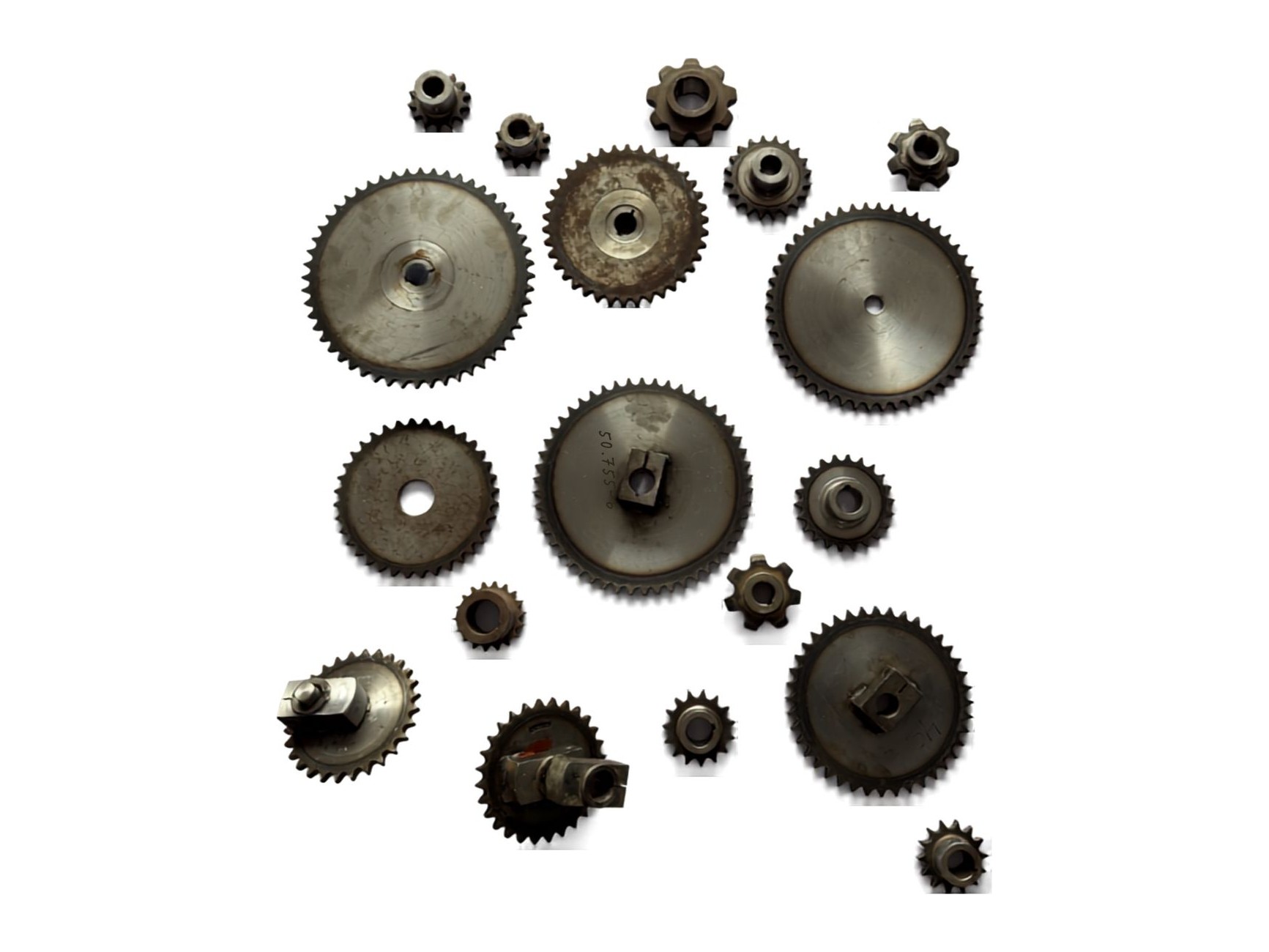
Count every tooth around the sprocket. The tooth count sets the gear ratio and the working diameter, so it must be exact. Combine harvester sprockets commonly fall in the 13 to 70 teeth range depending on the position in the drive. If the old sprocket is badly worn, count from a matching part on the other side of the machine.
3. Bore and keyway
The bore is the centre hole that fits the shaft; the keyway is the slot that locks the sprocket to the shaft so it cannot spin. Measure the shaft diameter and the key width. Bore options include plain bore, keyway, splined, taper bore and fully custom bores. Getting this wrong is the usual cause of a sprocket that "fits but slips."
4. Hub style and overall width
Note whether the sprocket is plain (flat) or has an extended hub or boss, and measure the total width. This affects how the part sits against bearings and spacers in the assembly.
No specifications? Send a sample
If the machine is old, imported or the part number has worn away, you do not need a drawing. A worn sprocket sample, or even clear photos with a ruler for scale, is enough to reverse-engineer a replacement. Including the matching shaft dimensions helps confirm the bore and keyway. This is how most replacement and discontinued parts are made.
A quick pre-order checklist
- Chain pitch (confirmed from the actual chain)
- Exact number of teeth
- Bore diameter and keyway size
- Hub style and overall width
- Material preference and quantity required
With these in hand, a manufacturer can quote quickly and machine to your requirement. DISHA GEARWORKS produces simplex sprockets in EN8 and mild steel, with tempered teeth and custom bores as needed, for combine harvesters and agricultural machinery.
Have the details ready? See our sprockets or request a quote with your measurements, sample photo or drawing.